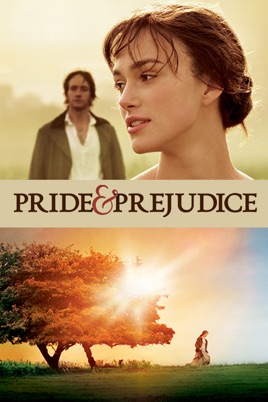
First of all, who doesn’t love a classic, sappy romance novel?
““You must allow me to tell you how ardently I admire and love you.” — Mr. Darcy to Elizabeth Bennet
Actually, not me. But I wouldn’t only describe Pride and Prejudice like that–it is so. much. more.
Though this book is probably as cheesy as what other people tell you, Pride and Prejudice was actually published in 1813–that’s more than 200 years ago! Hundreds of books, films, and series have been inspired by this classic. Think about it: the fact that a novel written by a young woman from the early 1800s continues to multiply in popularity even two centuries later is an record-breaking feat by itself.
So, without further ado, here are three reasons why I chose this book as my Independent Reading Book (IRB) Project!
- There’s genuine juicy drama and page-turning plot twists!
You might think that a novel of manners from the 1800s would only be about mellow ladies sitting around drinking tea all day and flirting with officers, but Pride and Prejudice is many times more than that–no joke. For example, an super charismatic good-guy named Wickham actually turns out to be a huge liar, and attempts to take away Mr. Darcy’s inheritance of his grandfather’s fortune. Because of the failure of his attempts, Wickham almost succeeds in seducing Mr. Darcy’s sister, and later causes Elizabeth Bennet to refuse Mr. Darcy’s marriage proposal by feeding her lies. Talk about revenge!
2. It’s ACTUALLY funny!
One reason I was of starting this book was because I was slightly scared I’d find the book to be dull. However, it was anything but. The insults and comebacks some of these characters make really got me to LOL!
3. There’s A LOT of character development, especially between the protagonists.
Both the male protagonist, Mr. Darcy, and the female protagonist, Elizabeth Bennet, become wiser and better versions of themselves throughout the book. Pride and Prejudice is one of those rare books that actually narrate the characters examining thier own conscience. Elizabeth realizes that not only Darcy had a heart of gold under his gruff demeanor, but all her mistaken opinions on him were built on lies and rumurs. She reflects, “But vanity, not love, has been my folly….Till this moment, I never knew myself.” Earlier in the book, Elizabeth advises Mr. Darcy, “It is particularly incumbent on those who never change their opinion, to be secure of judging properly at first.” This quote reminds anyone who isn’t willing to change a decided opinion, even in the face of new information, to rethink their past pride and prejudices.